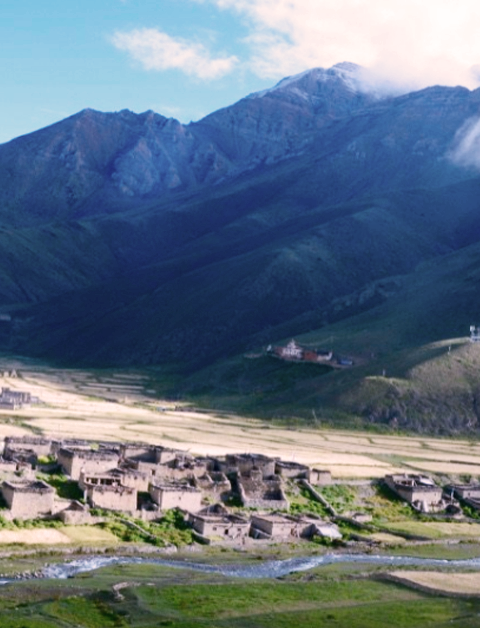
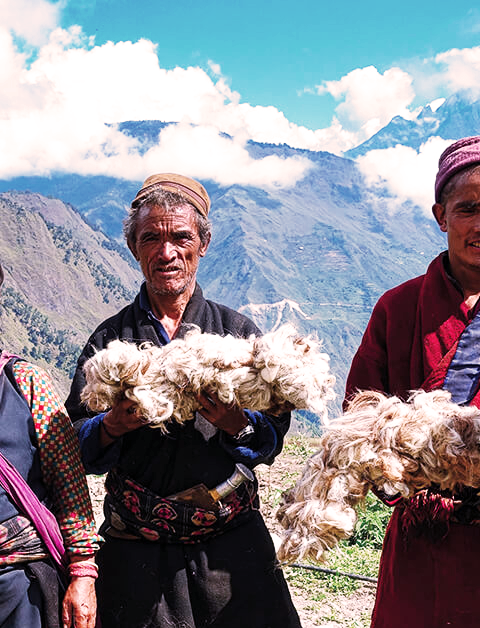
Nepal, a country with tall mountains and friendly people, is as culturally diverse as it is aesthetically pleasing. The profound respect, humility, and harmony that are at the heart of Nepali culture must be understood in order to fully comprehend the people of Nepal. Every gesture and expression, from customary greetings to dining customs, has significance. Travellers can establish genuine connections with locals and demonstrate respect for their values by being aware of the appropriate Nepali culture etiquette.
The Essence of Respect in Nepali Society
The cornerstone of nepali society is respect. Social interactions are guided by humility and politeness, whether in marketplaces, temples, or families. Addressing an older person with titles like Didi (elder sister) or Dai (elder brother) demonstrates respect and affection. This gesture expresses respect and recognizes the value of experience and age in Nepali culture.
Namaste, also known as Namaskar, is or than just a simple hello in Nepali culture. Recognizing the divine within each individuals is symbolized by a slight bow and palms pressed together. The spiritual core of the country is reflected in this traditional Nepali greetings, which holds that respect starts with appreciating the intrinsic value of others.
Religion and Spiritual Etiquette
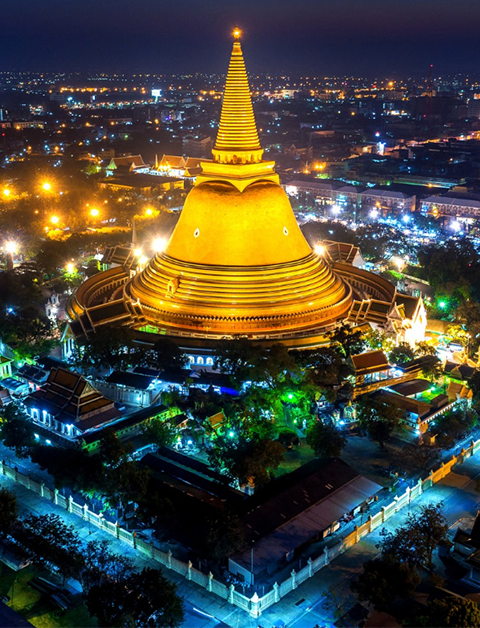
In Nepali culture, religion is very important. Due to the strong influence of Buddhism and Hinduism, spiritual festivals, rituals, and practises permeate every aspect of daily life in Nepal. Visitors will observe how people avoid touching holy icons with their feet, take of their shoes before entering temples, and walk around stupas in clockwise manner.
It’s crucial to keep quiet, dress modestly, and refrain from taking invasive photos when visiting places of worship. Such conduct avoids inadvertent disrespect and shows understanding of Nepali cultural etiquette. Showing respect for centuries-old customs can be as simple as taking off your shoes or speaking quietly in temples.
Caste and Community Dynamics
Despite being officially abolished, the caste system continues to have an impact on some aspect of Nepali society. Particularly in rural areas, social interactions can occasionally mirror established hierarchies. Treating everyone equally and avoiding presumptions based on appearance or occupation are crucial for tavelers. Respect for one another is the cornerstone of Nepali hospitality, which any guest can adapt.
Greeting Etiquette: Namaste and Beyond
One of the most exquisite displays of respect in asia is the traditional Nepali greetings. An instant connections is formed when Namaste is said with a soft smile. Although they are appropriate, handshakes are typically initiated by locals an saved for interactions between people of the same gender. Namaste is always a safe and polite wa to greet elders rather than shaking hands.
If you wish to make a deeper impression, learning a few Nepali phrases such as Dhanyabad (Thank you) or Kasto chha? (How are you?) can go a long way. These small efforts show your appreciation for Nepali people and their language.
Dining Etiquette: The Nepali Way
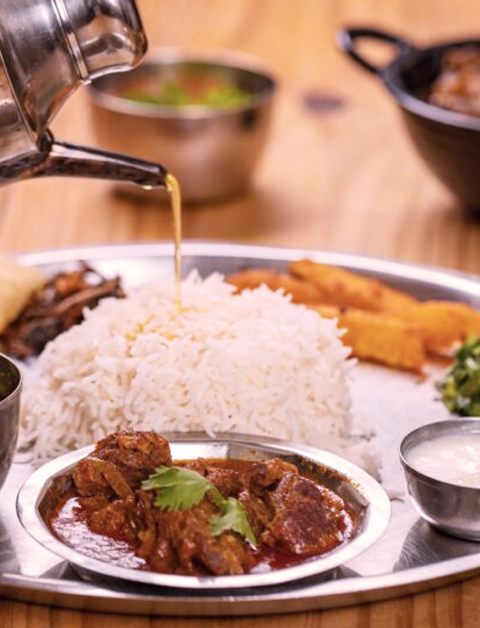
A fundamental aspect of Nepali culture, food represents solidarity and sharing. It’s common practice to offer food to ohers before eating, and meals frequently involve shared dishes. When eating or passing food, always use your right hand because the left is regarded as dirty. Handwashng is essential befor anad after meals as a sign of respect and hygiene.
Avoid slurping, talking loudly, or refusing food repeatedly. If a host insists you take more, accept it with gratitude—it’s a gesture that shows respect for their hospitality. Say Dhanyabad at the end of your meal to express sincere appreciation.
Dress and Social Conduct
In Nepali culture, modesty in attire is highly regarded. It is advised that visitors cover their knees and shoulders, particularly when visiting rural and holy loactons. When necessary, a lightweight shawl or scarf can be used to cover your head. Always take off your shoes before entering temples, homes, or even some stories; this small gesture of decency demonstrates a profound awareness of cultural difference.
Bring a small gift when you visit a Nepali home, accept tea or snacks politely, and don’t decline offers too soon. Nepali culture places a strong emphasis on hospitality, and your civility will never be forgotten.
Festivals and Celebrations
Dashain and Tihar are two festivals that highlight the Nepali people’s joyous nature. These festivities invite community involvement, honor gods and ancestors, and deepen family ties. Travelers should ask permission before taking pictures, observe with respect, and refrain from interfering with customs. You can directly witness the cohesion and warmth of Nepali celebrations by taking part in them with humility.
Conclusion: Embracing Nepali Culture with Respect
Respecting the values that govern life in this Himalayan country is more important than simply adhering to the rules when it comes to understanding Nepali culture etiquette. A tale of kindness, humility, and humanity is conveyed by each bow, smile, and Namaste.
Visitors can develop deep connections with Nepalis by honoring traditions, communicating carefully, and adjusting to local practices. Every gesture is a sign of respect in Nepal, and every act of deference leads to a closer cultural bond.