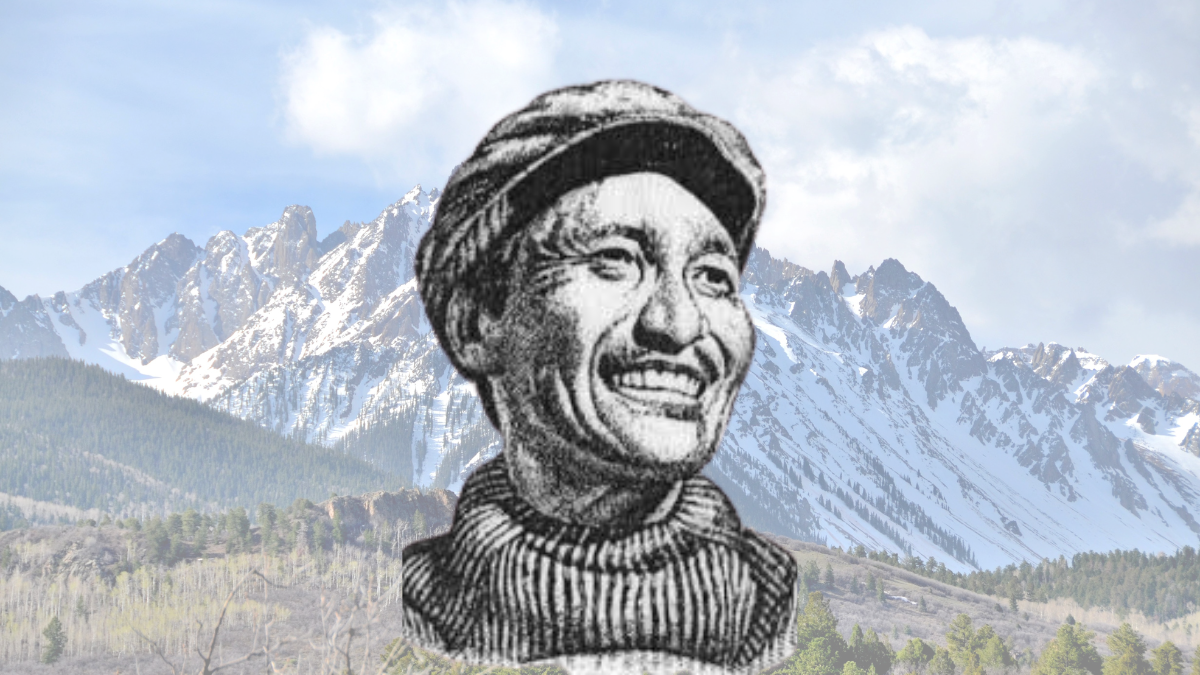
Tenzing Norgay Sherpa, one of the greatest heroes in mountaineering history, is a name that resonates with every Nepali and mountaineer worldwide. His journey to becoming a global legend is not just a story of reaching the summit of Mount Everest but one of resilience, dedication, and unparalleled strength.
Early Life and Background
Tenzing Norgay Sherpa was born as Namgyal Wangdi on May 29, 1914, in the village of Thame, located in the Khumbu region of
Nepal, a place that would later become synonymous with his name. Tenzing’s family were Sherpas, an ethnic group renowned for their mountaineering skills. Sherpas have long been instrumental in supporting climbing expeditions to the region’s highest peaks, including Mount Everest.
As a young boy, Tenzing was drawn to the mountains, and he began assisting European expeditions by acting as a porter. His early experiences in the Himalayas would shape his future and spark his passion for mountaineering. Tenzing’s journey from a humble porter to a world-renowned mountaineer is a story of perseverance, determination, and sheer grit.
Climbing the World’s Highest Peak: The Historic Everest Ascent
Tenzing’s path to Everest was long and arduous, filled with numerous attempts, setbacks, and triumphs. His first serious attempt at Mount Everest came in 1935 as part of a British expedition. Over the years, Tenzing participated in several more expeditions, gaining invaluable experience and solidifying his position as one of the top climbers in the world.
Tenzing’s breakthrough came in 1953 when he was selected to be part of the British expedition to Everest. The ultimate goal was to be the first successful ascent of the summit of Mount Everest. In the expedition, Tenzing was paired with Sir Edmund Hillary, a New Zealand climber, forming an unlikely but perfect partnership. The duo’s complementary skills and teamwork were crucial in overcoming the many challenges posed by Everest’s treacherous conditions.
On May 29, 1953, Tenzing Norgay Sherpa and Sir Edmund Hillary reached the summit of Mount Everest, marking the first confirmed ascent of the world’s highest peak. Although there is some debate over who reached the summit first. Both men’s contributions were crucial in achieving this historic feat. Tenzing’s role was pivotal, as he lead the expedition through challenging terrain, bad weather, and high-altitude conditions.
The climb was a triumph not only for Tenzing and Hillary but for Nepal and the Sherpa people. For the Sherpa community, Tenzing became a national hero, symbolizing the strength, resilience, and spirit of the people of the Himalayas. His successful ascent of Everest brought global attention to Nepal and the Sherpas’ role in the mountaineering community.
Life After Everest: A Sherpa Hero’s Legacy
Following the historic Everest summit, Tenzing Norgay Sherpa became a global ambassador for Nepal and the Sherpa community. His fame spread far and wide, and he received numerous honors and accolades from around the world. However, despite his international fame, Tenzing never forgot his roots and remained deeply connected to Nepal and his Sherpa heritage.
In 1954, Tenzing was awarded the Padma Bhushan, in recognition of his contributions to mountaineering. In the years that followed, Tenzing continued to represent Nepal on the global stage, traveling to different countries and giving talks about his experiences. He became a source of inspiration not only for mountaineers but for ordinary people who admired his humility and dedication.
In addition to his mountaineering career, Tenzing Norgay Sherpa dedicated much of his life to improving the lives of his fellow Sherpas and the people of the Khumbu region. He established the Tenzing Norgay Foundation to support education, healthcare, and infrastructure development in the region. He played a vital role in promoting the welfare of the Sherpa people.
One of Tenzing’s lasting contributions was the establishment of the Himalayan Mountaineering Institute in Darjeeling, India, in 1954. The institute became a hub for aspiring climbers, offering training, guidance, and resources . It also became an important symbol of his commitment to the mountaineering community and the preservation of Himalayan climbing traditions.